
Table of Contents
ToggleThis guide introduces beginners to Dremel bits. Dremel bits are essential tools for various projects. They help in tasks like cutting, grinding, sanding, and carving. Understanding these bits is crucial for anyone starting with a Dremel tool. This article covers types, usage, and maintenance of Dremel bits. It ensures beginners can select the right bit for their projects and use them effectively.
Key Takeaways
- Choosing the right Dremel bit is essential for success in tasks like cutting, grinding, and carving.
- Dremel bits come in various materials—steel, carbide, and diamond—each suited for specific projects.
- Always wear protective gear and secure your workpiece to ensure safe usage of Dremel bits.
- Proper maintenance, such as cleaning and inspecting bits regularly, extends their lifespan and enhances performance.
- Understanding shank size and speed ratings is crucial for effective Dremel bit selection and usage.
Understanding Dremel Bits
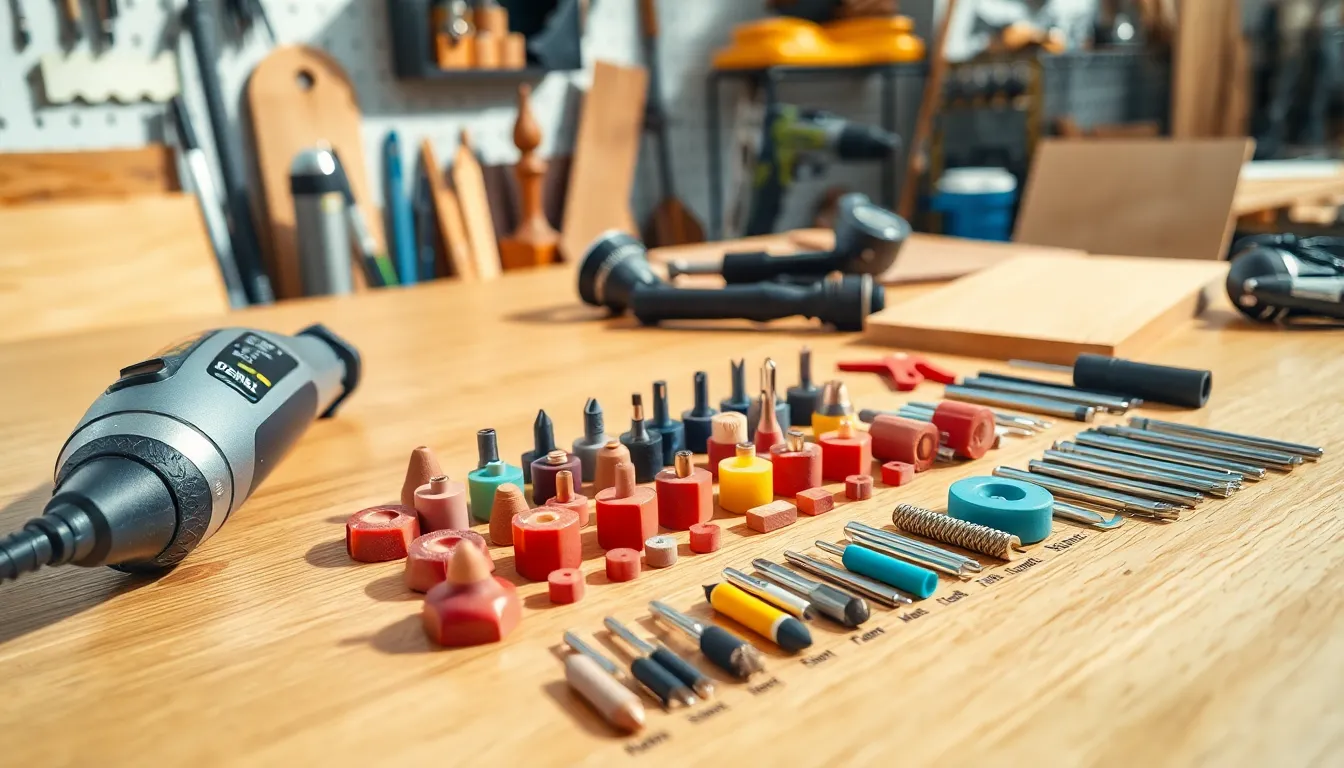
Dremel bits come in various shapes and sizes. Each type serves a specific purpose. Knowing these purposes helps in choosing the right bit for a project. For example, some bits cut wood, while others are designed for metal. Key terms to know include:
- Shank Size: This refers to the diameter of the bit’s base. Standard sizes are 1/32″, 1/16″, and 1/8″.
- Material: Dremel bits can be made from steel, carbide, or diamond. Each material offers different durability and uses.
- Speed Rating: Understanding the recommended RPM (revolutions per minute) is crucial for effective use.
These factors influence how well a bit will perform.
Types of Dremel Bits for Beginners
Beginners can choose from several Dremel bits. Here are the primary types to consider:
- Cutting Bits: These bits slice through materials efficiently. Examples include cutting wheels and cutoff wheels.
- Grinding Bits: Grinding bits smooth rough edges. They include grinding stones and abrasive wheels.
- Sanding Bits: These bits are ideal for finishing surfaces. They come with sanding bands or drums.
- Carving and Engraving Bits: These bits allow for detailed work. They include various shapes for specific designs.
Each type can help in various tasks, from creating art to home repairs.
Choosing the Right Bit for Your Project
Selecting the right Dremel bit depends on the project’s specific needs. Here are steps to follow:
- Identify the Material: Determine whether the project involves wood, metal, or plastic. Each material requires different bits.
- Determine the Task: Know if you will cut, grind, or carve. This will indicate which type of bit to use.
- Check Compatibility: Ensure the shank size of the bit fits the Dremel tool.
- Consider Bit Shape: Choose a shape that matches the desired outcome.
Taking these steps will enhance the project’s success.
How to Use Dremel Bits Safely and Effectively
Using Dremel bits safely is essential. Here are safety guidelines:
- Wear Protective Gear: Always use safety glasses, gloves, and a dust mask.
- Secure Your Workpiece: Clamp the material down to prevent slipping.
- Start with Low Speed: Begin at a lower RPM to control the tool better. Gradually increase speed as needed.
- Do Not Force the Bit: Let the tool do the work. Pushing too hard can break the bit.
- Unplug the Tool When Changing Bits: Always ensure the tool is off and unplugged before switching bits.
Following these steps improves safety and the results of your projects.
Maintaining Your Dremel Bits
Proper maintenance of Dremel bits extends their life. Here are some tips:
- Clean Bits After Use: Remove debris with a brush or cloth. This prevents buildup that can affect performance.
- Store Bits Properly: Keep bits in a dry, safe place. A dedicated container protects them from damage.
- Inspect for Wear: Regularly check for wear or damage. Replace worn bits to ensure quality work.
- Avoid Excess Heat: Cool bits periodically to prevent overheating during use.
Maintenance practices contribute to better results and longer-lasting tools.